

The ShadowNurse Patient Blog
Welcome
Please search for a topic or feel free to browse
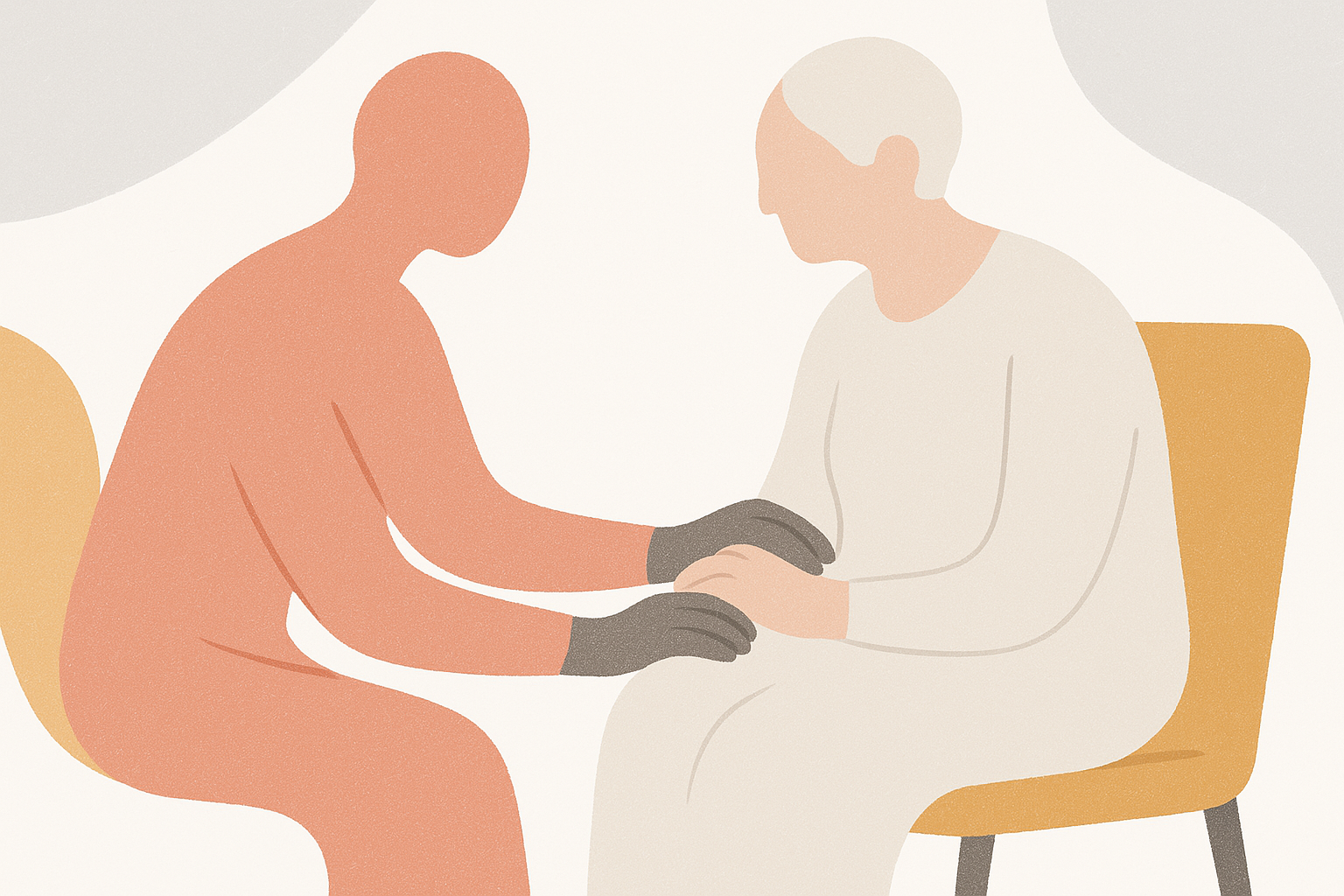
Supporting Elderly Patients Who Are Alone
Elderly individuals who live alone often face physical limitations, emotional isolation, and safety risks that can compromise their well-being. ShadowNurse addresses these challenges through personalized support, including medication management, virtual companionship, and assistance with daily living. By empowering older adults to stay connected and independent, ShadowNurse helps reduce loneliness, improve health outcomes, and enhance quality of life. Aging alone doesn't have to mean aging unsupported.

Navigating Life with Multiple Chronic Conditions
Living with more than one long-term health condition—such as diabetes, heart disease, or arthritis—can be complex and exhausting. Managing medications, appointments, and conflicting medical advice often creates confusion and stress. At ShadowNurse, we offer personalized virtual nursing assistance to help you stay organized, better understand your care, and feel supported every step of the way. Our team can help coordinate your care, simplify health information, and provide emotional support—making life with multiple chronic conditions more manageable.

Navigating the Challenges of New and Expecting Moms
Becoming a mother is a profound transition marked by physical recovery, emotional shifts, and new responsibilities. From managing fatigue and postpartum healing to navigating mental health concerns and societal pressures, the journey is often complex. This article offers practical strategies for self-care, support-seeking, and realistic goal-setting to help new and expecting moms manage these changes.
We also highlight how ShadowNurse can support your postpartum experience through personalized, virtual nurse guidance—providing trusted answers, emotional reassurance, and help when you need it most.

Stress Management Techniques
Managing stress effectively is crucial for mental and physical well-being. This guide offers practical techniques such as deep breathing, mindfulness, and relaxation routines to reduce stress and improve quality of life.

Recognizing Depression and Anxiety
Recognizing depression and anxiety is crucial for individuals managing chronic conditions. This guide outlines common symptoms, practical steps for early intervention, and the importance of emotional and professional support.

Cardiovascular Exercises and Tips
Cardiovascular exercises, such as walking, swimming, and cycling, support heart health and endurance. This guide provides practical tips to safely incorporate aerobic activity into daily routines, improving circulation and overall well-being.

Physical Activity for Mobility Issues
Staying active with mobility challenges is possible through adaptive exercises such as chair-based routines, aquatic activities, and resistance bands. This guide offers practical strategies to improve strength, flexibility, and independence safely.

Low-Sodium Diets for Hypertension
A low-sodium diet helps manage hypertension by lowering blood pressure and reducing the risk of heart complications. This guide offers practical strategies, including cooking with fresh ingredients, reading food labels, and using herbs for flavor.

Diet for Diabetes Management
Managing diabetes with a balanced diet helps control blood sugar levels and prevent complications. This guide offers practical tips for choosing complex carbohydrates, using the plate method, and planning meals to maintain consistency and improve well-being.

General Dietary Guidelines
General dietary guidelines promote balance, variety, and moderation. This guide offers practical tips for including whole foods, staying hydrated, and managing portion sizes to support chronic disease management and long-term health.

Organizing Medications at Home
Organizing medications at home is essential for effective chronic disease management. This guide offers practical strategies, including using pill organizers, creating schedules, and reviewing medications regularly, to help patients stay on track and minimize errors.

Mental Health and Chronic Disease
Mental health and chronic disease are closely connected. This guide offers practical strategies for managing emotional well-being, including mindfulness, exercise, social support, and counseling, to improve overall health outcomes.

Exercises for Chronic Pain
Exercise plays a crucial role in managing chronic pain. This guide offers practical strategies, including low-impact activities, stretching, and strengthening exercises, to promote mobility and reduce discomfort while ensuring routines remain safe and effective.

Lifestyle Modifications for Chronic Illness
Care planning and goal setting empower patients to manage chronic conditions effectively. This guide covers how to create care plans, set SMART goals, and track progress, ensuring that treatment plans remain achievable and motivating.

Care Planning and Goal Setting
Medication adherence plays a critical role in chronic disease management, reducing the risk of complications and hospitalizations. This guide offers practical strategies for staying consistent, such as setting reminders, organizing medications, and communicating with healthcare providers to address obstacles.
Medication Adherence Strategies
Care planning and goal setting empower patients to manage chronic conditions effectively. This guide covers how to create care plans, set SMART goals, and track progress, ensuring that treatment plans remain achievable and motivating.